I covered the foundations of what ethical marketing means to me in this previous blog. In a nutshell, it's about 1. marketing with a clear conscience and 2. redistributing responsibility systemically.
And while that’s very informative, it’s not all that actionable. So, here’s a checklist that you can use to ensure that you’re marketing responsibly.
The tl;dr is to cut the crap and go with radical honesty.
☑ Respect
1. Does my content treat the audience with respect?
In practice, this looks like telling the whole truth, even when it’s less than flattering. That means marketing in a way that is transparent, honest, and accountable so that your audience has the opportunity to make the most informed choice that best serves them — even if that’s not your brand.
Kinda like this homepage review, which lets the audience decide if the time frame that kind of timeline is okay with them, or a shortcoming that makes the service incompatible.
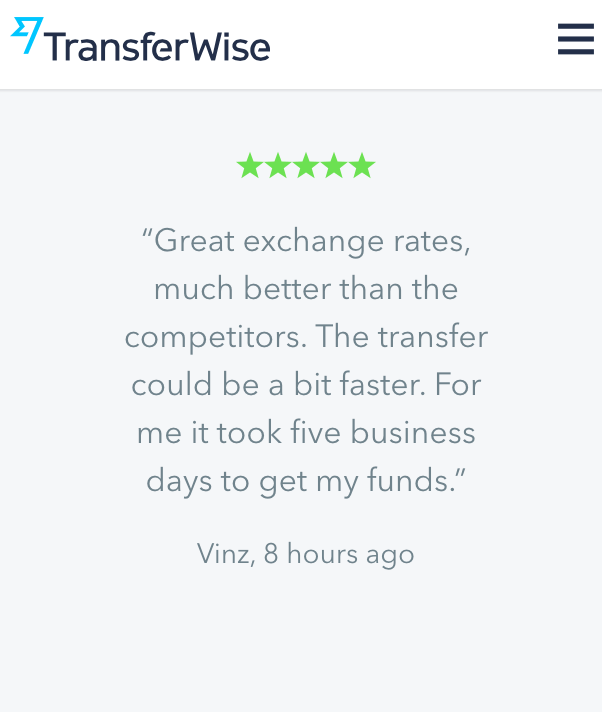
Image Source: Velocity Partners
☑ honesty
2. Are my marketing messages an honest, two-way conversation where people have the chance to share feedback? Will I listen to and implement it?
This is about like creating plenty of opportunities for people to give you feedback (sending out forms or surveys, not ignoring frustrated social media comments, etc.) and then choosing to use it to make your product or service better.
There’s even a bonus benefit: if you implement their feedback and then talk about how your audience drove the decision to make that change publicly, you can make them feel heard. It’s proof that you care about best serving them and want to build a strong, long-term relationship.
This video is a quick example of how this can work:

Image source: What's Good Podcast Facebook Page
3. Are my benefits and features misleading, or do they tell the full truth about the product/service?
This means not stretching the truth to make a product/service sound better than it actually is. This can range from an accidental exaggeration to an outright lie. Sometimes we don’t yet know enough about what we are marketing to describe it accurately, so asking this question can be a helpful checkpoint. And sometimes a company decides to just straight up lie in their advertising; like Activia, who once claimed their yogurt regulates digestion.

Yikes 😬 Image source: cleveland.com/metro/2010/02/post_222.html
☑ Urgency
4. Is there truly an urgent need for people to spend money on this product/service now, or am I pressuring them into a purchase?
This one is about reflecting on campaign deadlines and figuring out if it is arbitrary or if it is fixed. If it isn’t real, then don’t imply that people will miss out if they don’t make a purchase quickly.
This ad is a great example of a brand refusing to create a false problem that they appear to be the solution for. They could have easily used language that made people feel pressured to buy by using the "Shop Now" button or saying that they have a limited supply to the caption (which they have used in other ads before). But, this ad is still eye catching, simple, informative, and playful without creating false urgency. It even includes the pre-order price upfront without the viewer having to take action.

Image source: Meta Ad Library
☑ Consent
5. Are you making it as easy to opt out as it is to opt in? That includes asking for their consent and making it clear what they are consenting to.
The BBC is pretty exemplary in this. They not only have an FAQ describing their privacy policy in plain language, they also have tabs to learn about the fundamentals of user privacy and information, cookies, terms for using their content, and what they may do with user data.
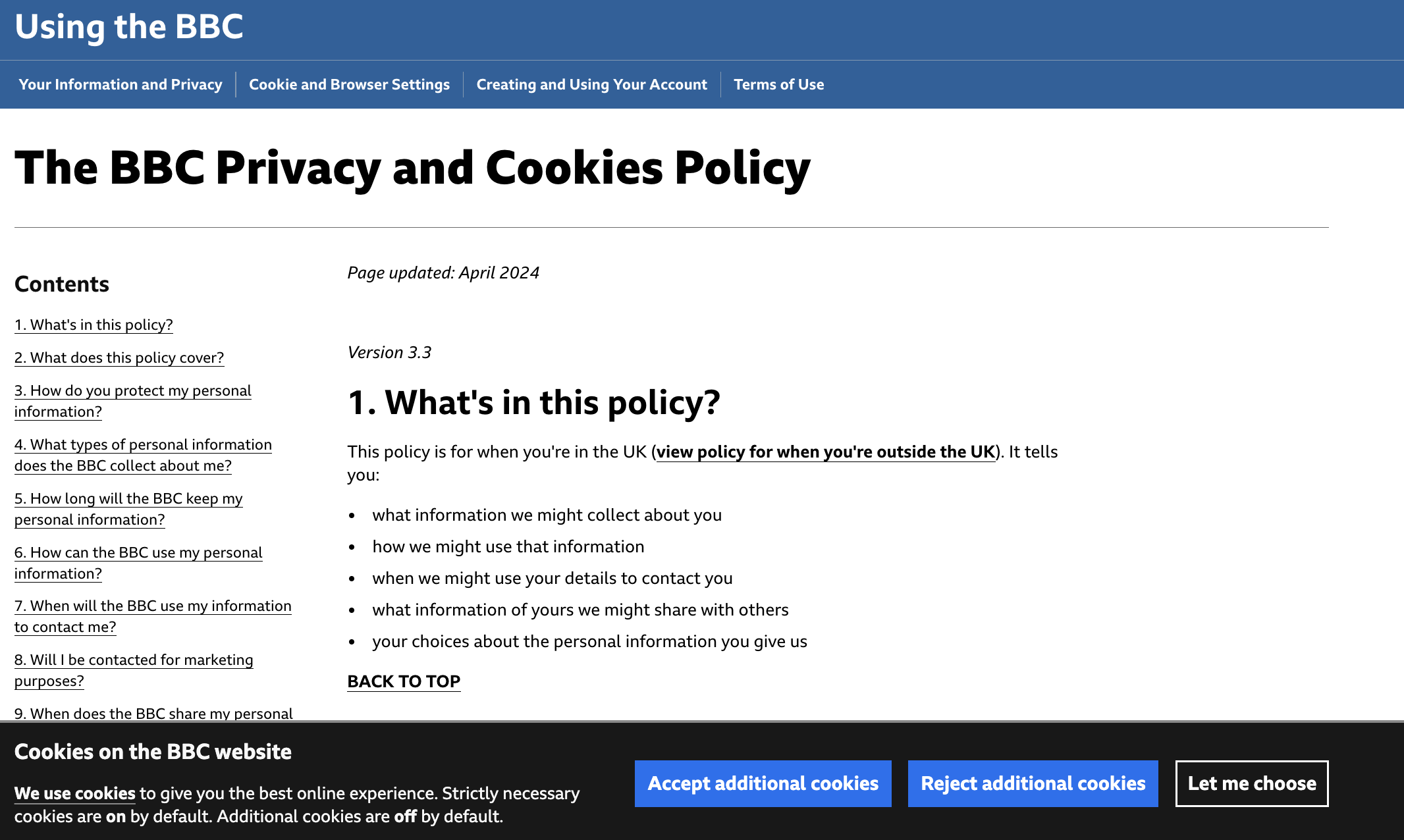
Image Source: bbc.co.uk/usingthebbc/privacy-policy/#1whatsinthispolicy
Important note: I used the above examples to provide some helpful visuals. I don’t have insight into whether or not these brands market ethically and would love to hear from you if you have reason to believe that they do not.