I was served a targeted ad by Greenpeace that drove me to take action, and it used 3 interesting marketing techniques that I want to share with you. Some are clearly ethics-forward and some could get there with minor improvements.
Let's break them down together.
The ad
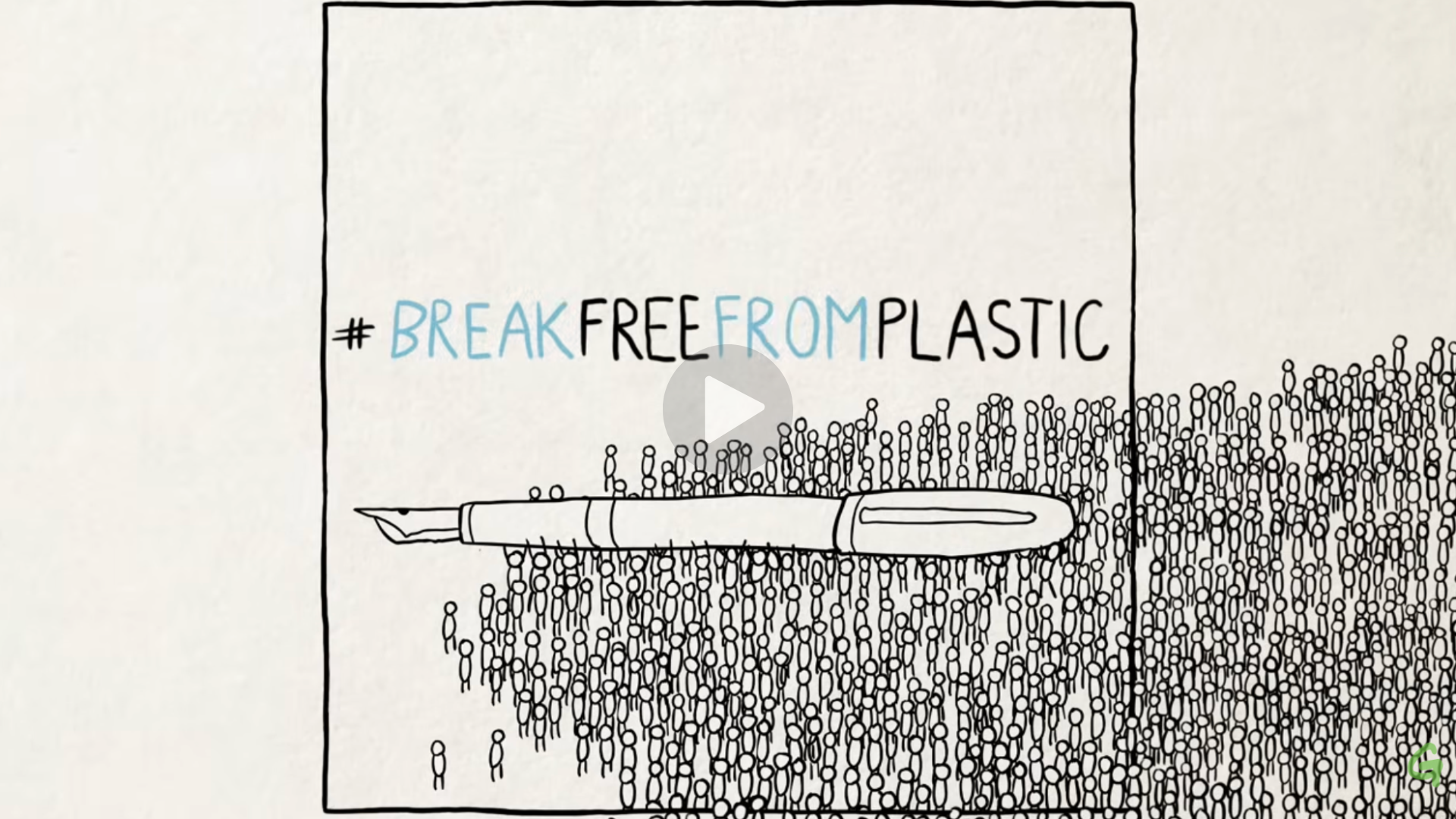
I saw this incredible video by Greenpeace a couple of months ago and noticed that the video was actually first posted on YouTube in 2022. They seem to have repurposed it as a targeted ad asking people to sign on to support a global plastics treaty, and it caught my attention.
The trust-building tactics used
1. Clear and honest messaging
It is a simple and engaging explainer video that doesn't fearmonger their audience into signing something. It simply details what's happening, explains why the current solutions that we have (recycling and local clean-up efforts) aren't the most sustainable ones, and presents their global plastics treaty as a long-term solution. It’s informative with a hopeful message that this treaty can bring big institutions together to rid the world of a global problem. It adds value by educating the audience using a quick format with accessible language to make it easy to digest and respect the viewer’s time.
How this tactic builds trust- Choosing to avoid a false sense of urgency, as the timing is relevant to the global plastics treaty.
- Using simple, accessible language instead of confusing jargon.
2. Does not rely on negative emotions
Even if the video didn’t have a voiceover, the upbeat music and illustrations would be easy to understand, making it a digestible piece of content. It educates the viewer on how plastic is affecting the earth without leaving them feeling bleak. And it does so without triggering a “motivational helping response…to alleviate negative emotions such as distress or guilt.” This gets their message across in a way that leaves the viewer with hope that they can take immediate action towards an important change.
How this tactic builds trust- Keeping the pathos relatively neutral while focusing on education.
3. Using a third-party to reduce obstacles and encourage donations
Note: The landing page uses some marketing tactics that reduce hindrances, something that I’d normally consider an ethical marketing tactic as it makes it easier for an audience to make a decision. However, I don’t know anything about the third party that is used (e.g., if they store data responsibly, if it pressures an audience to convert, etc.), hence this note.
While signing, I noticed that there is the option for them to store just my contact information for future sign-ons (making it faster) with a third party. It removes an obstacle for someone who has already felt comfortable enough to share their info to sign something they are passionate about, respecting the audience’s time.
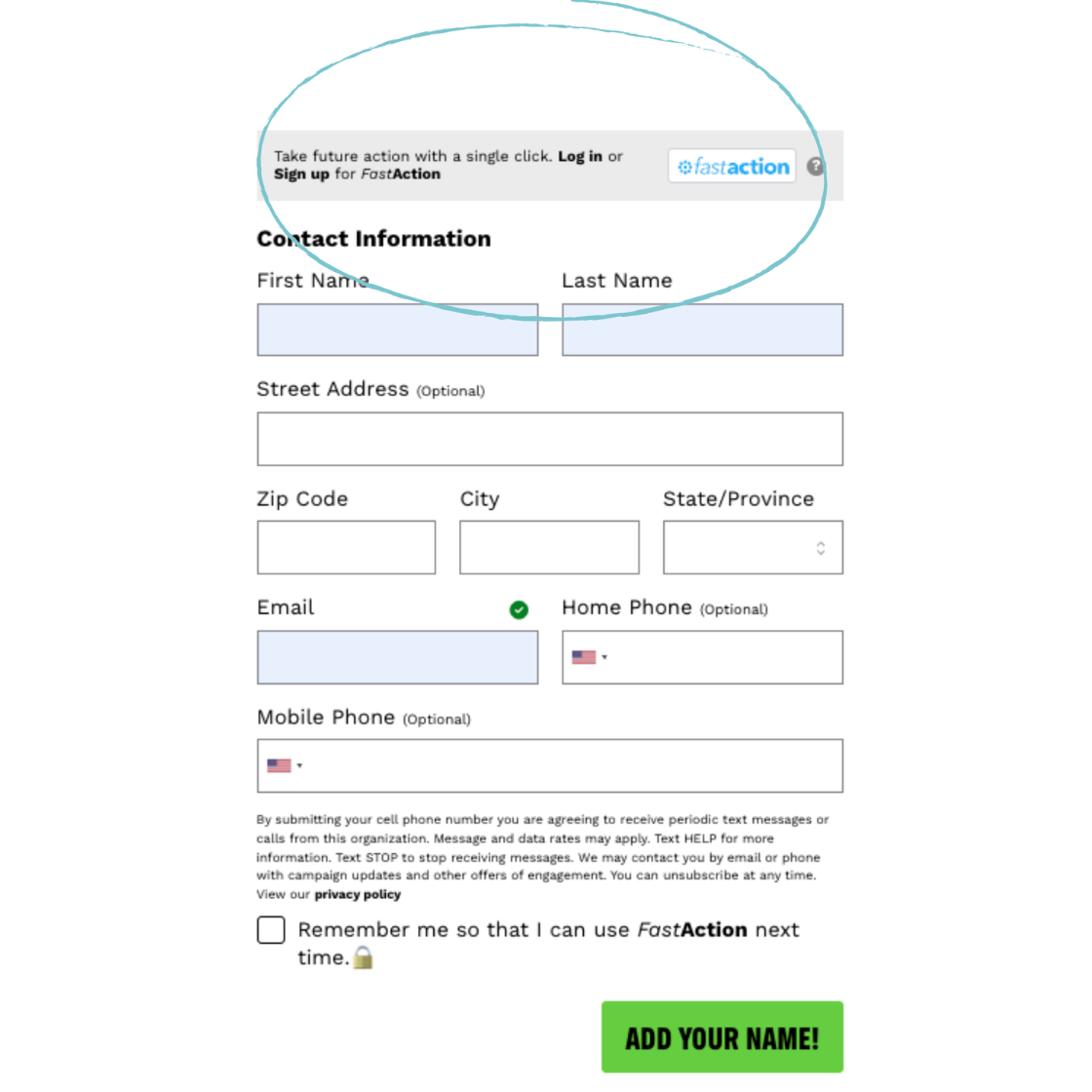
I also noticed that they encouraged an additional step of making a donation, naturally leading people who are inclined to donate straight to the form. Signing something in the first place requires users to share some of their own information to support a cause they are passionate about, which is a big leap of trust on their end.
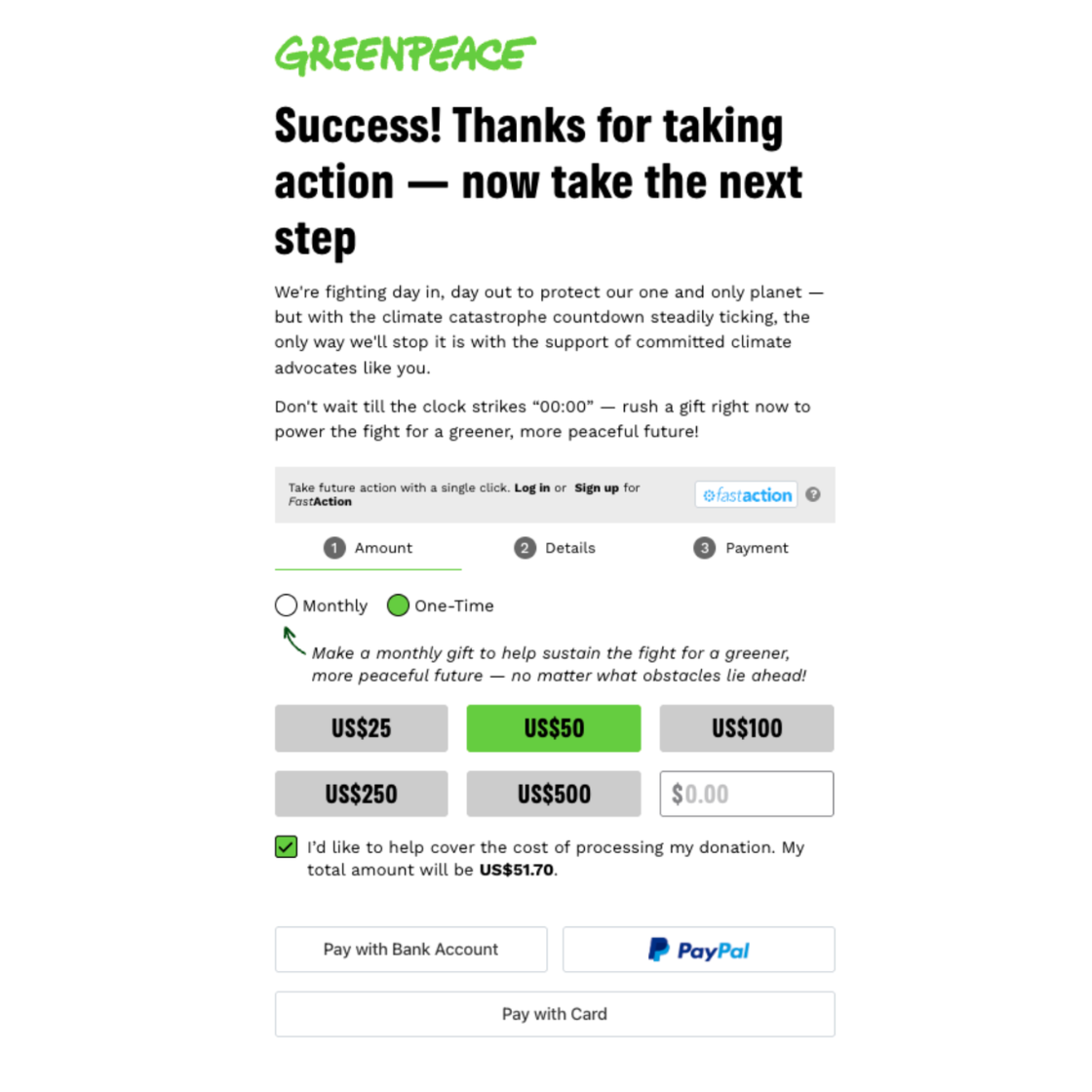
How this tactic builds trust- Making the process easy to navigate.
How the ad could be even more impactful
There are a few ethical marketing techniques that could improve the ad and build deeper trust with their audience:
Backing up their claims with evidence or including sources to strengthen the power of their message. I can see how doing so would not flow within the video itself, but it’s something that the landing page could hold the bulk of to make it more credible (ethos).
Sharing how the third party data tool respects user privacy and what consenting to it means.
Making it clearer what a signature or donation directly impacts. Does a letter get sent to world leaders? Does a donation only go towards this cause? It would be beneficial to have this information available to people on the landing page so that they can make their own informed decisions.
Note: I recognize that Greenpeace is not your average nonprofit. They receive a ton of donations each year, which allows them to potentially afford paid ads and creative teams to make high-quality videos. But, if you're part of a nonprofit and have a skilled volunteer or some budget to work with along with an interest in techniques like these, I hope this can serve as a helpful playbook.
References & Further Reading
These sources were either used directly in this post or referenced when writing it. I encourage you to read and share your own conclusions and research with me.
And, as always…
Don’t forget that everything has its limits, and I don't want you to think that ethical marketing tactics don't have them as well. There are certainly several examples of huge corporations that have created long-term loyalty through unethical business practices, marketing, and overall behavior. But, in my perspective, they’re just not worth the negative effects on individuals and can even be less effective than if they used ethical marketing tactics in the first place to build long-term trust.
Feedback
P.S. I am at the start of my ethical marketing journey, and there will be times when I make mistakes. I’m always open to improving and learning, so feel free to share your feedback and resources that you find in your own research with me here.